

WTJO releases new sustainability guide for travel journalists and hosts

The World Travel Journalism Organization (WTJO) announced the publication of its Sustainability Policy, a document that outlines clear guidelines to minimize the environmental, social, and cultural impact of tourism and journalism activities.
The guide aims to orient all organizational activities, meetings, and official trips, promoting responsible practices across seven key areas: responsible use of resources in accommodations, reduction of plastic and disposable items, conscious consumption of energy and water, sustainable mobility, support for local consumption, responsible communication, and ongoing commitment.
Among the recommendations are concrete measures such as cleaning rooms only at the end of the stay, prioritizing refillable hygiene products, using shared transportation for official transfers, and promoting visits to community-based and sustainable tourism ventures. WTJO member journalists also commit to highlighting these practices in their coverage and prioritizing digital media over printed materials.
“Sustainability is not a trend, but an ethical principle of action,” states WTJO in its Guide.
“Every action, no matter how small, contributes to a more respectful form of tourism , one that honors nature, communities, and future generations,” emphasized founding president Miguel Ledhesma.
With this initiative, WTJO seeks to lead by example and promote a more conscious and responsible approach to travel and tourism journalism around the world.
DOWNLOAD THE FULL GUIDE
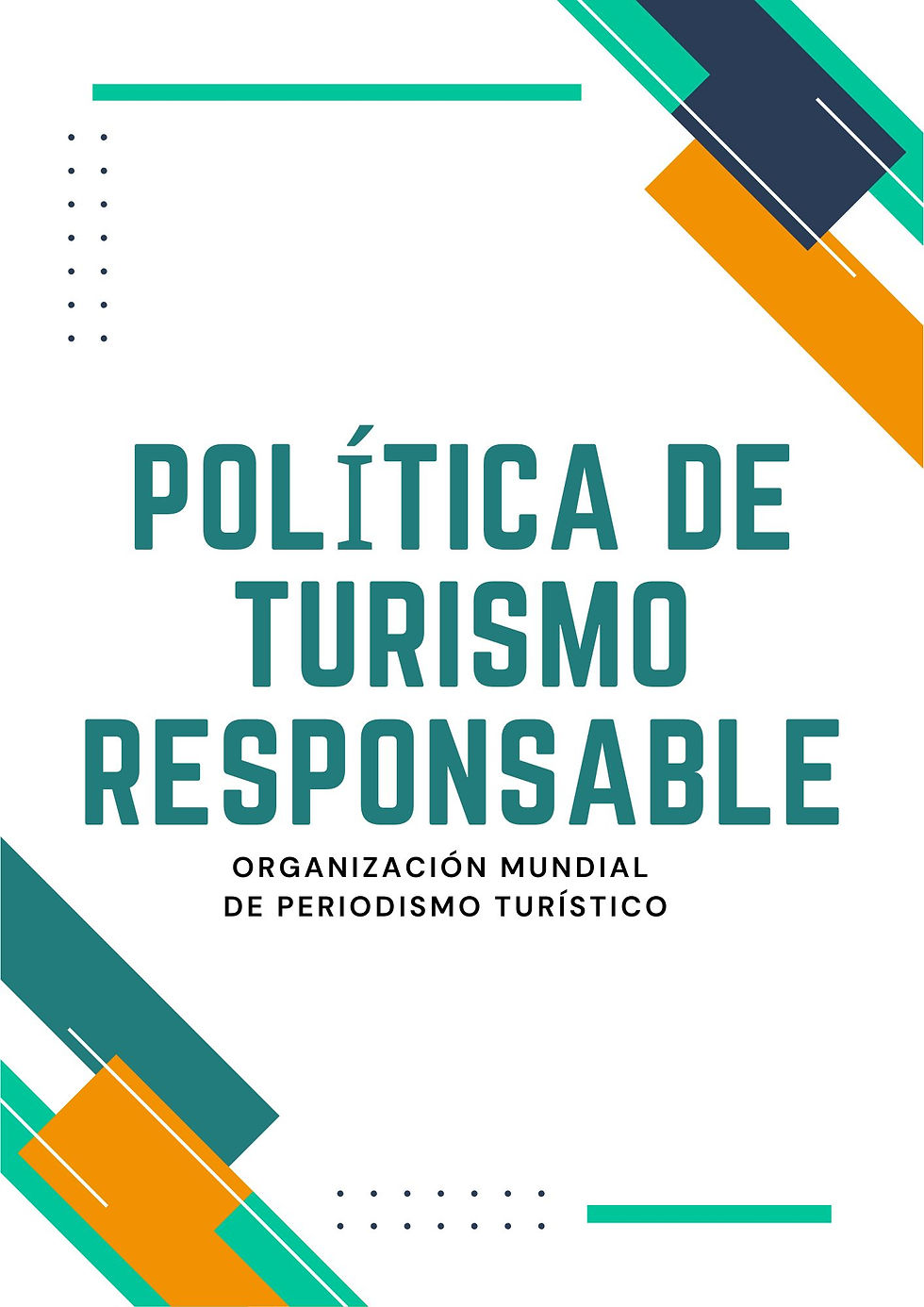
WTJO Responsible Tourism Policy
The World Travel Journalism Organization (WTJO), aware of the environmental, social, and cultural impacts generated by tourism and journalism, establishes the following Sustainability Policy as a guideline for all its activities, events, and official trips.
1. Responsible use of resources in accommodations
WTJO requests that journalists’ rooms not be cleaned daily. Housekeeping should take place only at the end of the stay, unless the guest specifically requests otherwise.
The use of refillable hygiene products will be prioritized, and single-use amenities (such as soaps and shampoos) are discouraged.
2. Reduction of plastics and disposables
If hotels or event venues provide disposable cups, they must notify attendees in advance so that each journalist can bring their own reusable cup or bottle.
The use of reusable or biodegradable alternatives to plastic cutlery, plates, and cups will be encouraged.
3. Conscious consumption of energy and water
Each journalist is encouraged to be responsible with lights, air conditioning, and heating, turning them off when leaving the room.
The reuse of towels and sheets during the stay is encouraged, unless the guest requests replacements.
4. Sustainable mobility
Whenever possible, WTJO official transportation will be conducted via shared vehicles to reduce the organization’s carbon footprint.
The use of alternative and local transportation methods that help reduce emissions will also be promoted.
5. Responsible consumption and local support
Priority will be given to the consumption of local and seasonal foods, avoiding products with high environmental impact.
Visits to community-based and sustainable tourism projects will be encouraged, helping to strengthen regional economies.
6. Responsible communication
WTJO member journalists commit to highlighting sustainable practices in their reporting and to raising environmental awareness at each destination.
Unnecessary printed materials will be avoided, favoring the use of digital formats for programs, accreditations, and press materials.
7. Ongoing commitment
WTJO views sustainability not as a passing trend but as an ethical principle of action.Every small action adds up in building a form of tourism that respects nature, communities, and future generations.


Comentarios