

La Cocha: a sacred corner where nature, culture, and sustainability converge

In the heart of the Nariño department, just a few kilometers from Pasto, lies the majestic laguna de La Cocha, the second largest natural body of water in Colombia after laguna de Tota. It stands as a witness to stories, myths, and an urgent call for conservation.
A sanctuary of water, life, and energy
Located at approximately 2,680 meters above sea level, La Cocha spans over 40 km² and reaches depths of up to 74 meters. Since the year 2000, it has been recognized as a Ramsar wetland of national and international importance. It fulfills essential ecological functions: carbon storage, sediment filtration, climate regulation, and biodiversity support. It is particularly emblematic for La Corota Island, a small natural reserve protected under the National Parks system.
Community conservation and civil reserves
The preservation of this ecosystem is not just the responsibility of institutions. The Reservas de la Sociedad Civil La Cocha,a network of over 50 private reserves,operates in the area, protecting more than 7,000 hectares. Local farmers and Indigenous communities actively participate in safeguarding species such as the oso de anteojos, tapir de montaña, and iconic bird species. One of these reserves, El Encanto Andino, serves as a model for sustainable living and ecological inspiration throughout Colombia.
Threats and resistance
However, this paradise is at risk. Deforestation, contamination from wastewater and plastic waste, sedimentation, overfishing, and the overproduction of rainbow trout threaten its ecological balance. While underwater cleanups and awareness campaigns are already underway,divers removed 626 kg of waste in 2019,greater institutional commitment is urgently needed.
Moreover, infrastructure projects such as the Guamués multipurpose initiative,designed for irrigation and energy,pose an additional threat by endangering azonal páramos and disrupting the hydrological regulation of the river system, including the Putumayo and the Amazon.
Purpose-driven tourism: flavor, well-being, and hospitality
Within this natural setting, local tourism and cultural initiatives thrive:
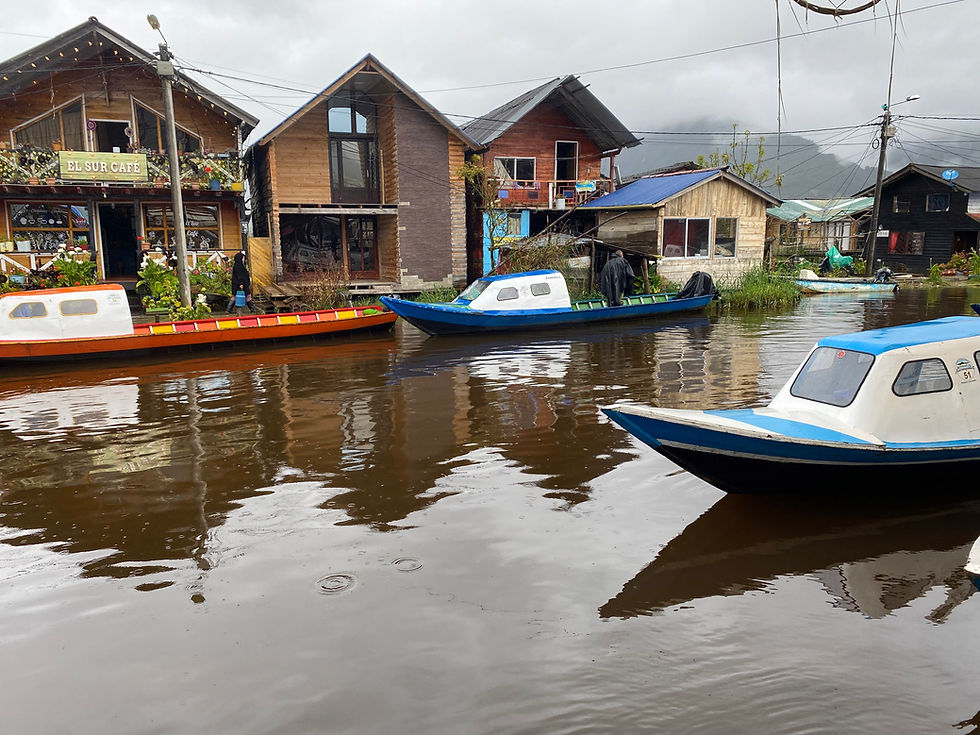
El Sur Café, which has served original traditional baked goods for the past four years, with specialties like envuelto de choclo y queso
Traditional lake experiences, such as boat rides to La Corota, organized by the Asoacion de Lancheros, who also act as lake guardians by collecting waste from their boats.
Picturesque restaurants like Santa María de la Cocha, a holistic center offering wellness services, and Restaurante Reflejos del Lago, famous for its smoked trout,“very natural and very tasty.”
Boutique rural lodging in ecological settings, from Águalongo to refuges like El Paraíso, where hospitality meets sustainability.
Hiking, yoga, therapies, and lake excursions that blend wellness with direct contact with nature.
These spaces reflect a rich community associativity that works in synergy with ancestral culture, local gastronomy, and an environmental care philosophy.
Collaborativism and challenges
La Cocha has emerged as a universe where worldview, tradition, biodiversity, and sustainable development converge. But its future is not guaranteed. In the face of environmental and social challenges, only a collective response,with community participation, institutional support, and a cultural perspective,will ensure that this paradise continues to be a source of life, energy, and well-being.
From the magic of its pristine lake to the creativity of local initiatives like El Sur Café, through conscious tourism projects and native gastronomy... La Cocha reminds us that to protect, to unite, and to build from a place of respect is the true way to honor this “highest point of energy on the planet.”


Comentarios